




 Parks and outdoors
Introduction
Belgium contains some of Europe’s most ecologically diverse and protected green spaces, hidden right behind its historic cities. This guide outlines the premier natural destinations in the country, providing travel details and ecological highlights to help travelers plan their outdoor itineraries.
Finding the Best National Parks, Forests & Nature Reserves in Belgium allows travelers to experience a side of the country that goes far beyond classic medieval architecture. The diverse geography offers everything from coastal dunes to high-altitude wetlands, making Belgian nature reserves a true haven for outdoor enthusiasts.
Hoge Kempen National Park: The Jewel of Flanders
Hoge Kempen represents Belgium’s first official national park, encompassing over twelve thousand hectares of sweeping heathlands and pine forests. This protected area showcases how industrial coal mining sites can successfully transition into thriving ecological sanctuaries.
Visitors can explore a vast network of hiking trails that wind through purple heather fields and quiet pine stands. The park features several distinct gateway entries, each offering unique facilities like bicycle rentals and educational exhibits.
Terhills, one of the main gateways (formerly known as Connectera), provides panoramic views of large lakes formed from former gravel quarries. This location demonstrates how conservation efforts can restore biodiversity to heavily altered landscapes. It stands as a premier example of the Best National Parks, Forests & Nature Reserves in Belgium.
- Walking the scenic loops around the Kattevennen gateway.
- Cycling through the heathland on the iconic panoramic bridge.
- Observing rare bird species near the water-filled quarry sites.
The Ancient Beech Canopy of the Sonian Forest
Located on the southeastern outskirts of Brussels, the Sonian Forest is a protected site recognized for its cathedral-like beech stands. Some of these trees have stood for over two hundred years, surviving historical logging and urban expansion.
This forest provides a vital ecological corridor for urban wildlife and serves as a major carbon sink for the capital region. Travelers seeking the Best National Parks, Forests & Nature Reserves in Belgium often start here due to its close proximity to the capital.
The forest floor stays cool even during mid-summer, shaded by the dense leaf canopy overhead. Dedicated horse-riding trails and pedestrian-only paths ensure that visitors can explore without damaging delicate root systems. It remains one of the most beloved Belgian nature reserves.
- Strict protection zones where dead wood is left to foster insect biodiversity.
- Historical hunting lodges converted into nature education centers.
- Designated quiet zones where motorized vehicles are strictly prohibited.
High Fens Nature Reserve: A Sub-Alpine Wilderness
The High Fens, or Hautes Fagnes, sits on an elevated plateau in eastern Belgium, showcasing a unique sub-alpine climate and landscape. This area contains vast peat bogs that have accumulated carbon over thousands of years.
The delicate ecosystem requires visitors to stay on raised wooden boardwalks to prevent soil compaction and protect rare plant species. Selecting the Best National Parks, Forests & Nature Reserves in Belgium means choosing sites with distinct geographical features like this misty plateau.
Winter transforms the High Fens into a hub for cross-country skiing, while spring brings vibrant blooms of wild daffodils. The high acidity of the peat bogs supports specialized flora, including carnivorous sundew plants and wild cranberries.
Many nature enthusiasts agree that the Best National Parks, Forests & Nature Reserves in Belgium must include this high-altitude wetland due to its sheer ecological contrast to the rest of the country. The area also hosts the highest point in Belgium, the Signal de Botrange, rising six hundred and ninety-four meters above sea level.
The Majestic Woodlands of the Ardennes
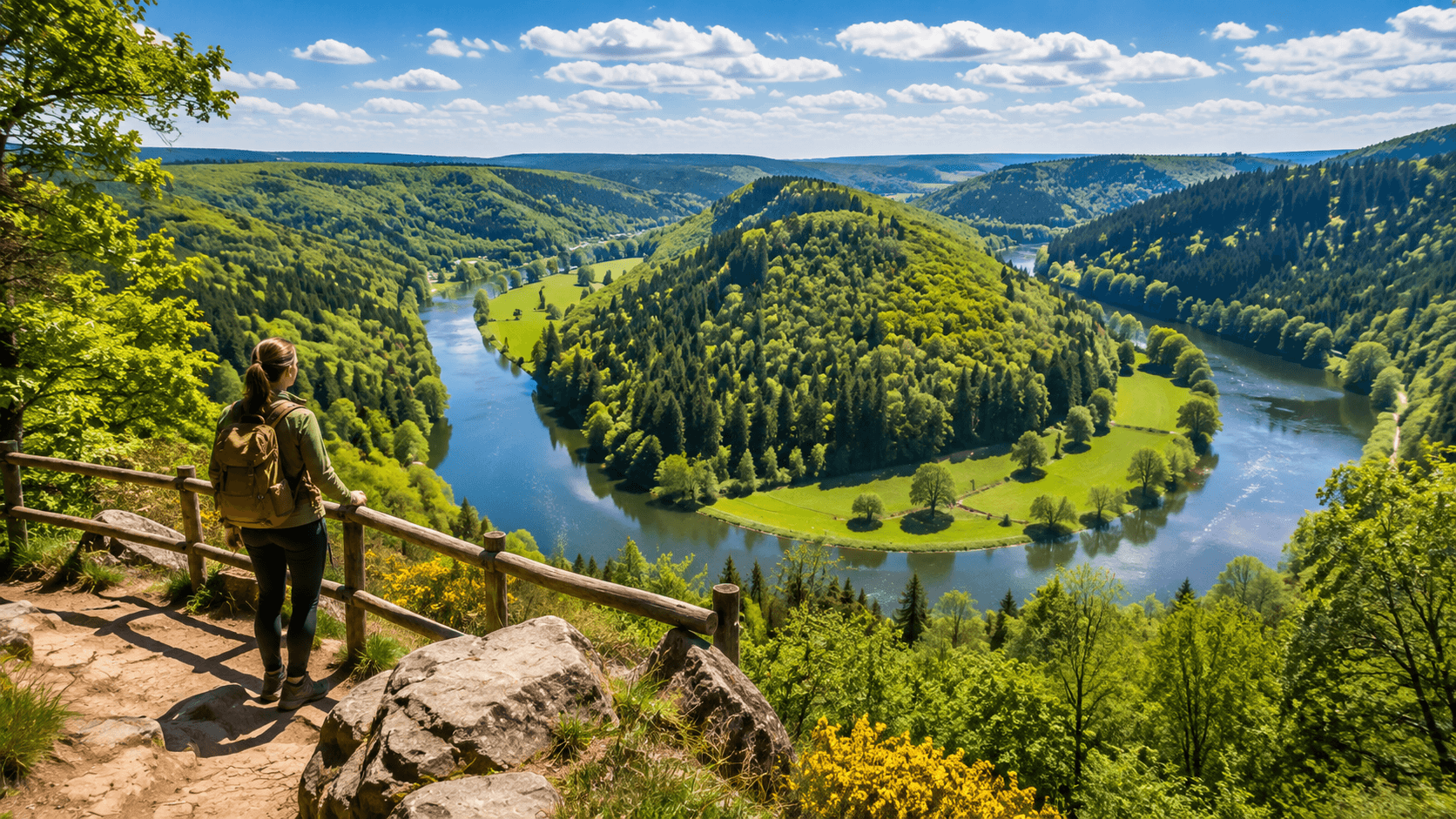
The Ardennes region dominates the southern portion of Belgium, characterized by deep river valleys, rugged slate cliffs, and dense spruce forests. This sprawling wilderness offers some of the most challenging hiking terrain in the Low Countries.
The Semois Valley and the Ourthe River carve deep gorges through the landscape, creating dramatic viewpoints like the Giant’s Tomb. When planning a trip to experience the Best National Parks, Forests & Nature Reserves in Belgium, dedicating several days to the Ardennes is essential.
The region supports populations of wild boar, red deer, and recently reintroduced European wildcats. Small, medieval stone villages dot the forest edges, providing base camps for multi-day trekking expeditions.
- The Furfooz Nature Reserve near Dinant, featuring Roman ruins and caves.
- The High Valley of the Semois, famous for its mist-shrouded river bends.
- The Hertogenwald, a vast forest surrounding the Gileppe Dam.
Comparing Belgium’s Top Natural Reserves and Parks
Each natural region in Belgium offers distinct terrain, accessibility, and seasonal highlights. Understanding these differences helps travelers choose the right destination for their specific outdoor interests.
The northern reserves provide flat, sandy trails ideal for cycling, while the southern forests present steep, rocky pathways suited for intensive hiking. The central woodlands offer quick escapes for those staying near major metropolitan hubs.
| Destination | Region | Landscape Type | Best For |
|---|---|---|---|
| Hoge Kempen | Flanders | Heathlands & Pine Forests | Cycling & Gateway Exhibits |
| Sonian Forest | Brussels Outskirts | Ancient Beech Canopy | Easy Day Trips & Walking |
| High Fens | East Belgium | Sub-Alpine Peat Bogs | Wooden Boardwalk Hikes |
| The Ardennes | Wallonia | Deep Valleys & Spruce Forests | Challenging Trekking |
Conservation Efforts and Visitor Guidelines
Preserving these delicate ecosystems requires strict adherence to local conservation rules and responsible travel practices. Belgian forestry authorities actively manage trail access to prevent erosion and protect nesting birds during the spring season.
Visitors must pack out all trash and respect designated quiet zones to minimize human impact on wild animal populations. Supporting the Best National Parks, Forests & Nature Reserves in Belgium involves staying on marked paths and using public transit where available.
Many of these reserves are easily reachable by train, reducing the carbon footprint associated with nature tourism. Local initiatives also focus on rewilding projects, restoring natural wetlands, and removing non-native pine plantations to encourage biodiversity.
Final Takeaways for Your Belgian Nature Adventure
Belgium offers an incredibly diverse array of natural landscapes packed into a relatively small geographic area. From the unique peat bogs of the east to the ancient beech forests of the center, outdoor enthusiasts have plenty of options to explore.
Focusing on the Best National Parks, Forests & Nature Reserves in Belgium guarantees a memorable trip filled with scenic beauty and rich biodiversity. Planning according to seasonal conditions ensures a safe and rewarding outdoor experience.


Comments are closed